AI First Medicaid System and Precision Benefits
Our policy brief outlines how agentic infrastructure across the safety net enables Precision Benefits: delivering the right resource, in the right dose, at the right time.
Meet our team of AI advocates that support patients, care teams, community-based organizations, and everyone else who works in the safety-net.
AI-Powered Whole Person Care
Through our AI-enabled care coordination and community partnerships, Pair Team helps Medicare and Medicaid members stay engaged in their care, reduce unnecessary emergency room visits, improve their health and drive meaningful savings for taxpayers.
Our expert team of doctors, nurses, social workers, and care managers support any medical or behavioral health issue from phone and video calls to texts messages.
We provide social-first care with our community-based partners, organizations like Area Agencies on Aging, shelters, and food pantries. We support our partners with funding and tooling.
Our platform unifies fragmented healthcare and government data which allows our AI agents to find real-time insights and provide proactive care at scale.
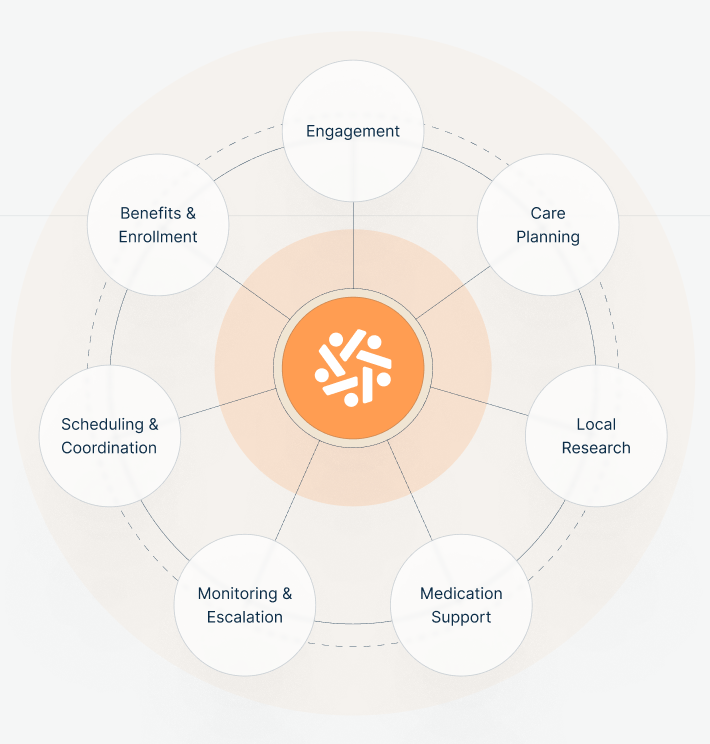
Flora is built as a coordinated system of specialized agents working together behind the scenes. From engagement and enrollment to care planning, scheduling, medication support, and monitoring, each agent handles a focused task — helping care teams move faster and patients get support when they need it.
Any time. Any language. Call or text. Flora helps patients get connected to care, answers questions, and supports them between visits — whenever they need it.


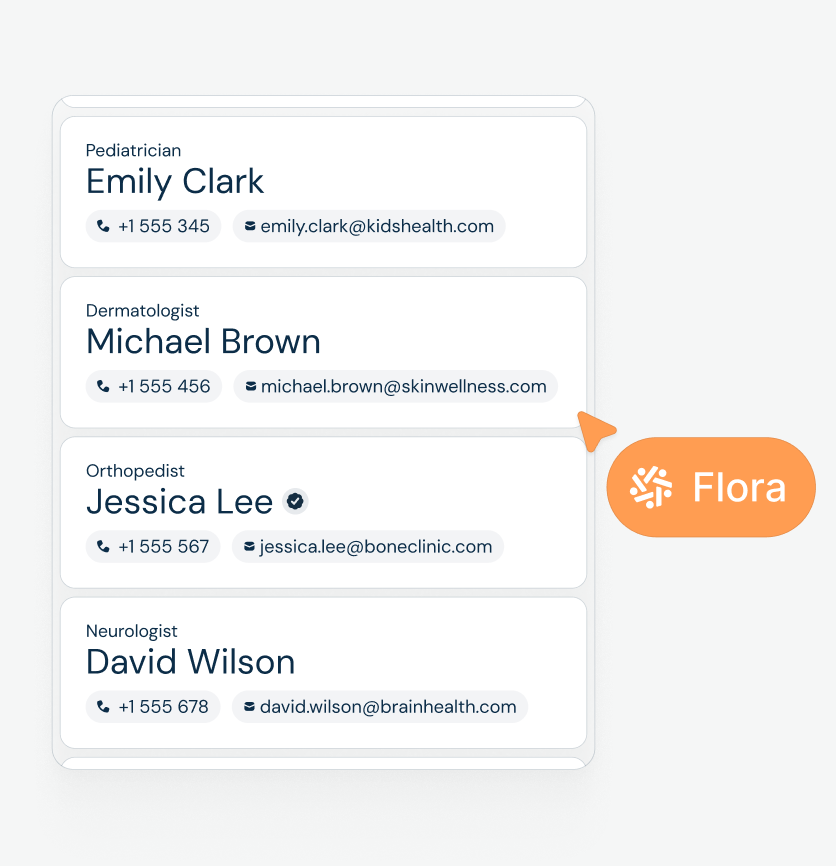
Flora connects to diverse data sources — from medical records and provider directories to benefits and community resources — to give care teams a clearer, more complete picture.

Research agents continuously learn and build community knowledge in every market, helping Flora adapt quickly to local realities while scaling nationally.
Built with safety at the core, Flora supports human decision-making with guardrails, oversight, and clear escalation paths to care teams when it matters most.
Advancing initiatives that aim to improve health while bending the cost curve.
The ACCESS model supports more sustainable chronic care by aligning reimbursement with outcomes, encouraging proactive engagement, and reducing unnecessary utilization. By lowering the total cost of care while improving access and coordination, it creates a pathway for scalable, value-driven care delivery.
Strengthening rural healthcare requires more than coverage — it requires infrastructure. Rural Health Transformation focuses on enabling providers and communities with the technology, coordination, and support needed to expand access, stabilize care delivery, and bring modern care models to underserved regions.
HR-1 introduces new discussions around Medicaid eligibility and work-related requirements, raising important questions about access and continuity of care. As policies evolve, care organizations must balance compliance with strategies that help vulnerable patients stay connected to essential services and support.
Reduction in Emergency Department Visits
Savings Per-Patient Per-Year
Estimated National Savings
Our Research
Our policy brief outlines how agentic infrastructure across the safety net enables Precision Benefits: delivering the right resource, in the right dose, at the right time.
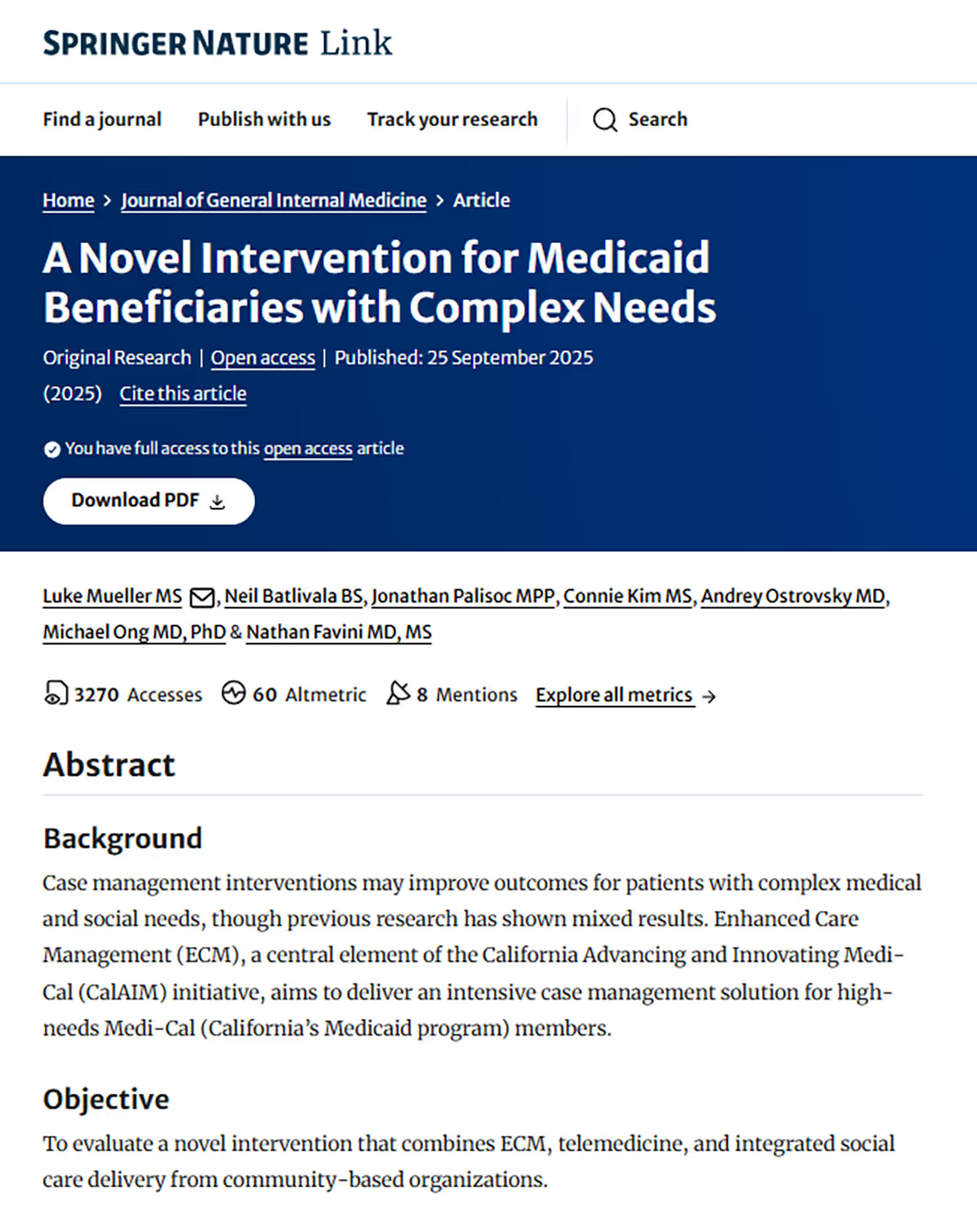
Our landmark, peer-reviewed study in the Journal of General Internal Medicine validates the impact of our care model to drive better engagement, lower costs, and improved outcomes.
Industry Partners




We actively partner with state leaders to deliver better care with deflationary pricing.